
Dental imaging technology continues to advance, giving dental practices access to more detailed information than ever before. One example is cone beam computed tomography, commonly called CBCT. A CBCT system can provide a large amount of three-dimensional imaging data that can be valuable for certain patients and procedures. However, adding a CBCT machine does not necessarily mean a dental office should stop using its panoramic X-ray machine.
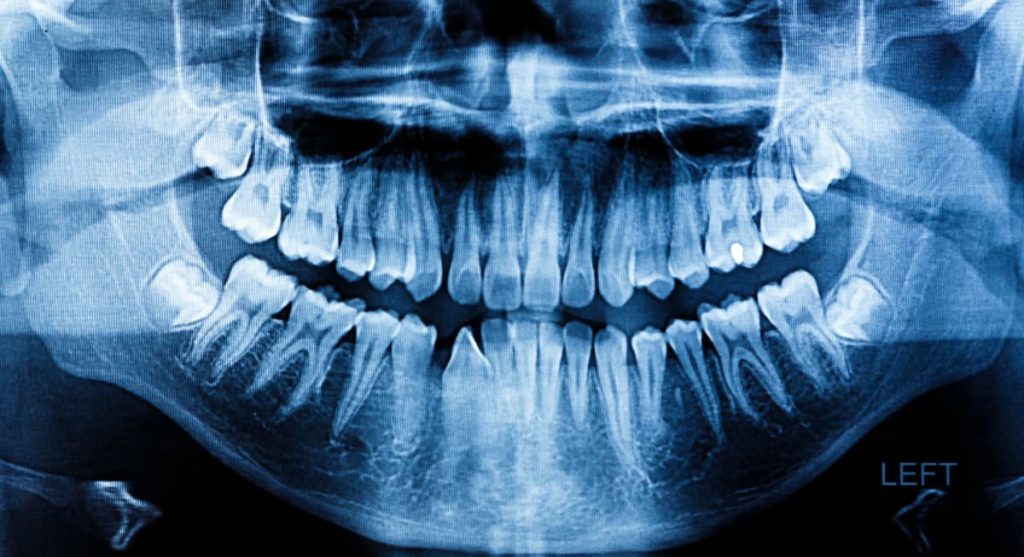
For many dental clinics, keeping both CBCT and panoramic X-ray machines can provide a more practical and efficient approach to dental imaging. Each system has a different role, and using the right equipment for the right patient can help a practice manage its imaging workload while getting the information it needs.
Understanding CBCT and Panoramic X-ray Machines
CBCT and panoramic X-ray machines are both valuable tools, but they are designed to provide different types of information.
A panoramic X-ray machine produces a broad image of the teeth, jaws and surrounding structures. It is commonly used for routine dental imaging and can provide the information needed for many everyday diagnostic situations. Because panoramic imaging is often part of the normal workflow in a dental office, a dependable panoramic machine can see frequent use throughout the day.
CBCT, on the other hand, collects significantly more data and uses a much larger and differently shaped beam. The resulting information can provide detailed three-dimensional views that may be useful for more complex cases. However, the additional information also comes with additional considerations.
Why a CBCT Does Not Replace a Panoramic X-ray
It can be tempting to view a CBCT machine as an upgrade that makes an existing panoramic X-ray machine unnecessary. In many practices, that may not be the most practical approach.
Not every patient needs the additional information provided by a CBCT scan. A clinic may determine that CBCT imaging is beneficial for a portion of its patients while panoramic imaging remains appropriate for many routine examinations.
Using the panoramic X-ray machine for common daily imaging can help reserve the CBCT for cases where its additional information is actually needed. This can reduce unnecessary CBCT use and help the practice get more value from both pieces of equipment.
There is also a patient communication benefit to panoramic imaging. Panoramic X-rays are generally easier for patients to understand when images are presented during an examination or consultation. Patient presentation is an important part of helping patients understand what is happening, why a particular treatment may be recommended and what the doctor is seeing.
CBCT is an excellent diagnostic tool for the doctor when it is used correctly and when the additional information it provides is needed. However, more detailed imaging does not necessarily make every patient presentation better. A panoramic image may provide a clearer and more straightforward way to discuss common findings with a patient while reserving the more extensive CBCT data for cases that require it.
For many dental practices, the goal is not to choose between CBCT and panoramic X-ray machines. It is to understand when each technology is most appropriate and use both as part of an effective imaging workflow.
Managing CBCT Data and Patient Imaging
One of the biggest differences between panoramic imaging and CBCT is the amount of information produced. A CBCT scan collects a large volume of data, and that data needs to be reconstructed and reviewed before it becomes useful for diagnosis and treatment planning.
The process can be simple in some cases or considerably more involved depending on the equipment, software and purpose of the scan. The software is a particularly important part of the CBCT system because it turns the collected data into usable images and information.
More data is not automatically better for every patient. If a routine panoramic image provides the information needed, there may be little reason to collect the substantially larger dataset generated by a CBCT.
The Benefits of Keeping Your Existing Panoramic X-ray Machine
For a dental practice adding CBCT, keeping a dependable panoramic X-ray machine can offer several practical benefits. The panoramic unit can continue handling many of the office’s routine imaging needs while the CBCT is available for patients who require more detailed information.
This approach can help distribute the imaging workload between the two machines. It may also reduce the number of exposures performed on the CBCT, which can help extend the useful life of the equipment.
There is also an important workflow consideration. CBCT produces a significant amount of information that needs to be reviewed appropriately. Limiting CBCT use to cases where the additional information is needed can help a practice manage the volume of data that must be reconstructed and evaluated.
Choosing the Right Dental X-ray Equipment for Your Practice
Adding CBCT can be a valuable investment for a dental clinic, but it does not have to mean replacing a functioning panoramic X-ray machine. In many offices, the two systems can complement one another.
A panoramic X-ray machine can continue serving as a dependable option for routine imaging while the CBCT handles cases where three-dimensional information is needed. The result can be a more practical imaging workflow that makes use of each machine’s strengths.
At Technical Electronic Contractors, we understand how important dependable dental X-ray equipment is to your practice. TEC has been providing dental X-ray parts, technical assistance, maintenance and repair support since 1996. Whether you need help with a panoramic X-ray machine or are maintaining equipment alongside newer imaging technology, our team is here to help.
If you have questions about your dental X-ray equipment, contact Technical Electronic Contractors to learn more about available parts and technical support. Call Technical Electronic Contractors today at 612-963-8337 or contact us to learn more about how we can help.